Is the Mechanical Machining Industry Popular Today? A Detailed Overview
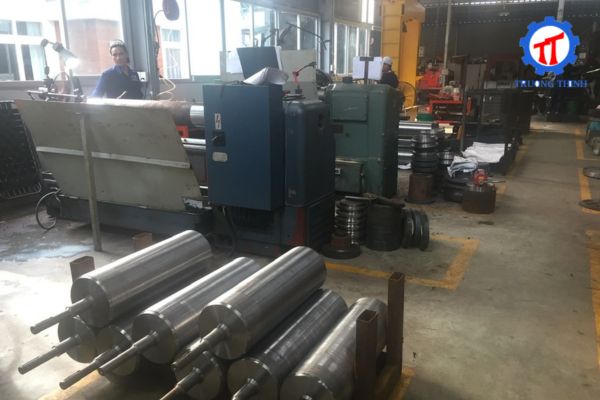
The mechanical machining industry plays an important role in industrial manufacturing, machine production, and supporting industries. From simple components to complex parts, machining processes transform raw materials into products that meet requirements for dimensions, shapes, and precision.
.png)
Common Machining Methods in the Mechanical Machining Industry
The mechanical machining industry currently uses various methods depending on the material, shape, dimensions, and technical requirements of each product. Choosing the appropriate technology helps reduce production time, minimize material waste, and ensure that products meet the specifications shown in technical drawings.
CNC Turning and Milling
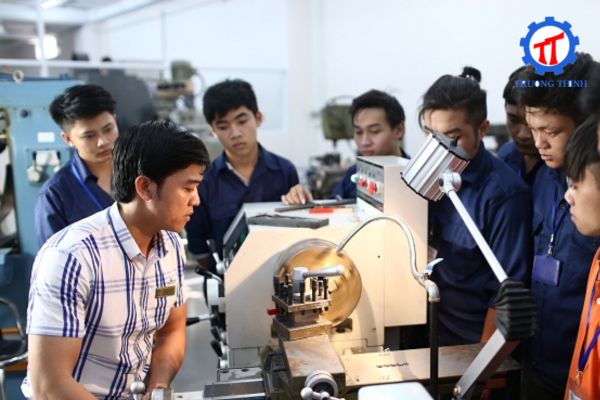
CNC turning is suitable for rotational components such as shafts, bushings, pins, rings, threads, and couplings. The workpiece is secured on the machine, while the cutting tool moves according to a programmed sequence to create the required shape, dimensions, and tolerances.
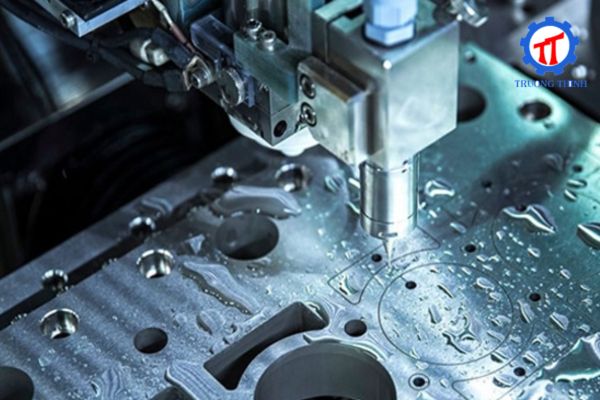
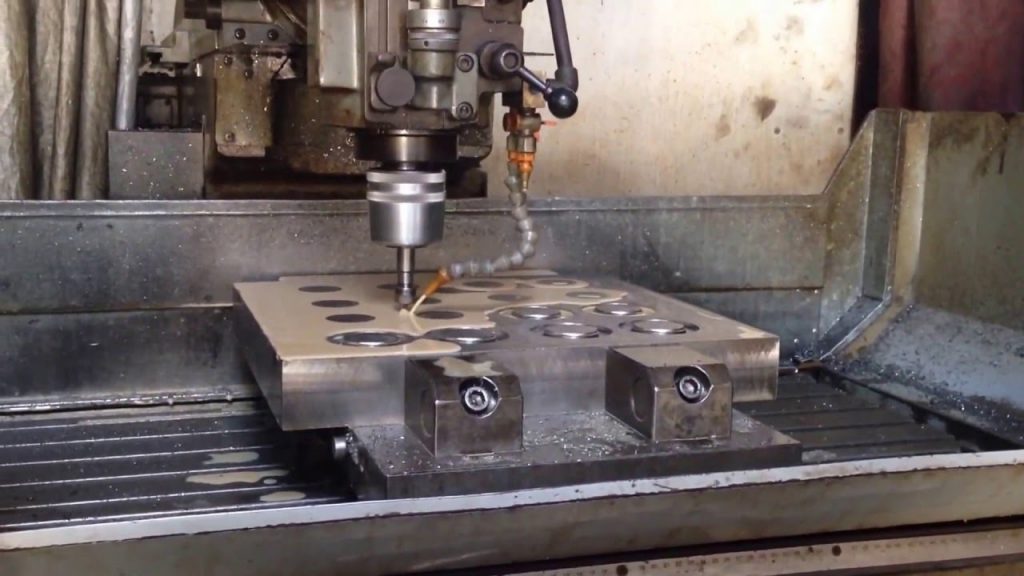
CNC milling is used to create flat surfaces, grooves, holes, steps, and complex profiles. This technology is suitable for products such as molds, fixtures, machine components, and parts used in production lines. CNC technology also improves repeatability when manufacturing multiple products with the same design.
Laser Cutting and Sheet Metal Fabrication
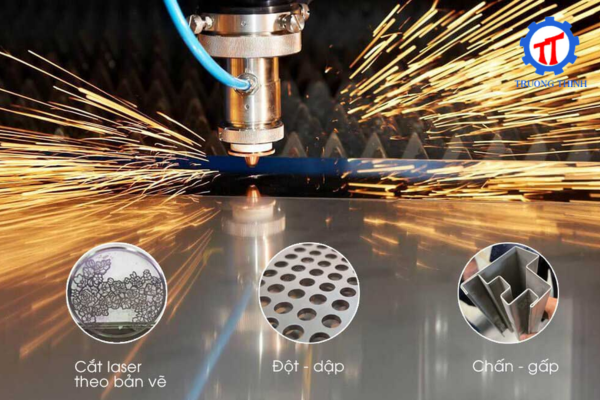
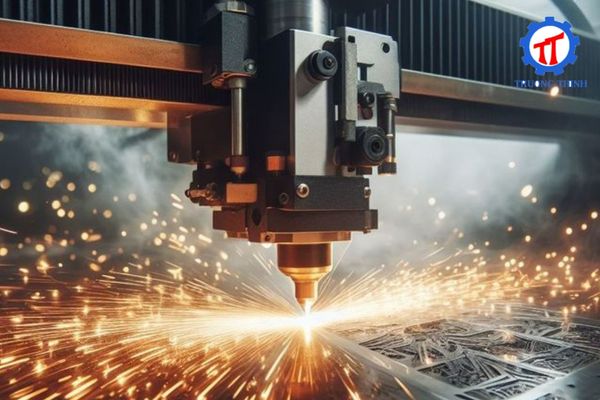
The mechanical machining industry uses laser cutting to produce sheet metal products according to profiles specified in technical drawings. Automated control systems enable fast and consistent cutting for materials such as steel, stainless steel, aluminum, and various alloys.
After cutting, products can undergo additional processes such as bending, welding, grinding, or surface treatment depending on their intended application. Combining multiple processes helps create more complete products and provides greater convenience for businesses requiring custom machining.
Manufacturing Molds, Fixtures, and Machine Components
Molds, fixtures, and machine components generally require stable machining performance and precision suitable for their designs. These products are widely used in manufacturing, assembly, inspection, packaging, and industrial automation.
The mechanical machining industry can handle both single-piece production and large-volume orders. Depending on the requirements, technicians select suitable materials, machinery, cutting tools, and machining sequences to ensure production efficiency.
Machining Process and Criteria for Choosing a Machining Company
.png)
The mechanical machining industry achieves better results when businesses maintain effective control from the initial drawing review to final product inspection. A clear production process helps minimize errors, manage schedules, and establish effective quality control at every stage.
Receiving Technical Drawings and Analyzing Requirements
Before production begins, the machining company needs to receive 2D drawings, 3D drawings, or physical samples from customers. Information about materials, dimensions, tolerances, surface roughness, quantities, and finishing requirements should be clearly confirmed.
Technicians then analyze the product structure and select an appropriate machining method. For complex components, determining the workholding method, cutting tools, and machining sequence from the beginning helps reduce the risk of production errors.
Programming and Machining
For CNC products, technical data is converted into machine control programs. Technicians need to establish suitable parameters based on the material and machining method to ensure stable cutting operations.
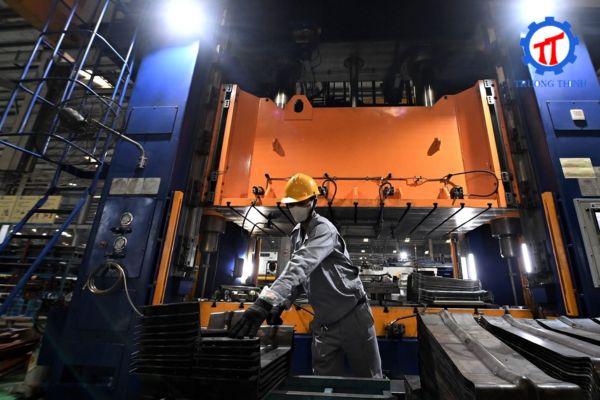
The mechanical machining industry also combines multiple types of equipment within the same production workflow. CNC machines, laser cutting systems, press brakes, welding machines, and inspection equipment give businesses greater flexibility when handling orders involving multiple manufacturing stages.
Quality Inspection and Finishing
After machining, products need to be inspected for dimensions, shape, and appearance according to technical requirements. For large-volume orders, in-process inspection helps identify deviations at an early stage and maintain consistency among finished products.
In addition to dimensional inspection, products may undergo grinding, polishing, surface treatment, or other finishing processes. Final inspection confirms that the products meet the required specifications before packaging and delivery.
→ See more: https://cokhiphutrotruongthinh.com/xuong-gia-cong-co-khi-cnc-uy-tin-dat-chat-luong-2026-bv.html
Truong Thinh Mechanical Engineering – Custom Machining Provider
.png)
The mechanical machining industry at Truong Thinh Mechanical Engineering includes various solutions such as CNC machining, laser cutting, bending, structural welding, and drawing-based component manufacturing. The company combines suitable equipment with the experience of its technical team to meet a wide range of customer requirements.
Truong Thinh Mechanical Engineering Services focuses on inspecting products throughout the production process. From incoming material inspection to final finishing, technical specifications are carefully reviewed to ensure that products meet the agreed requirements.
Conclusion
The mechanical machining industry is developing alongside the growing demand for machine manufacturing, supporting industries, and modern production. CNC, turning, milling, laser cutting, and automation help improve precision, productivity, and order fulfillment capabilities. Businesses should choose providers with suitable machinery, experienced technicians, and clear quality control procedures.
Truong Thinh Mechanical Engineering Information
-
Hotline: Mr. Hung: 0936.988.978 – Mrs. Tam: 0904.488.455 – 0225.627.79.97
-
Workshop Address: Zone C, No. 57 Km5, Lam San, So Dau Ward, Hong Bang District, Hai Phong, Vietnam
-
Website: Truong Thinh Mechanical Engineering