Robots and AI Are Driving the Trend Toward Modern Mechanical Manufacturing
Mechanical engineering news in 2026 highlights the rapid development of industrial robots, artificial intelligence (AI), and automation systems in manufacturing. These technologies are transforming how businesses process metals, operate CNC machines, and control product quality. They are also important trends for mechanical workshops seeking to increase productivity, reduce errors, and strengthen their competitiveness.

Industrial Robotics Trends in the Mechanical Engineering Industry in 2026
The mechanical engineering industry is gradually moving away from production models that rely heavily on manual operations toward systems that combine machinery, software, and data. According to the International Federation of Robotics (IFR), key trends in 2026 include AI and robot autonomy, the integration of information technology with operational technology, as well as the need to improve safety and address labor shortages.
In mechanical machining, these technologies can help identify workpiece positions, sort components, inspect surface appearance, and coordinate operations with CNC machines. However, the level of autonomy depends on the equipment, software, training data, and actual operating conditions. Not every robotic system can independently handle every situation.
Manufacturing news in 2026 indicates that demand for automation continues to grow. At IMTS 2026, FANUC America introduced solutions combining robotics, CNC, and Physical AI to improve productivity, flexibility, and the speed of automation deployment. A report published by Manufacturing Dive in September 2026 also highlighted rising demand for automation, partly because businesses are experiencing difficulties recruiting workers.
Applications of Robots in CNC Machining and Metal Fabrication

Robots can perform many repetitive tasks or operations that require consistency in mechanical manufacturing facilities. When properly integrated, automation systems help connect production processes and maintain product quality throughout manufacturing.
Robots for Workpiece Loading and CNC Machine Operation
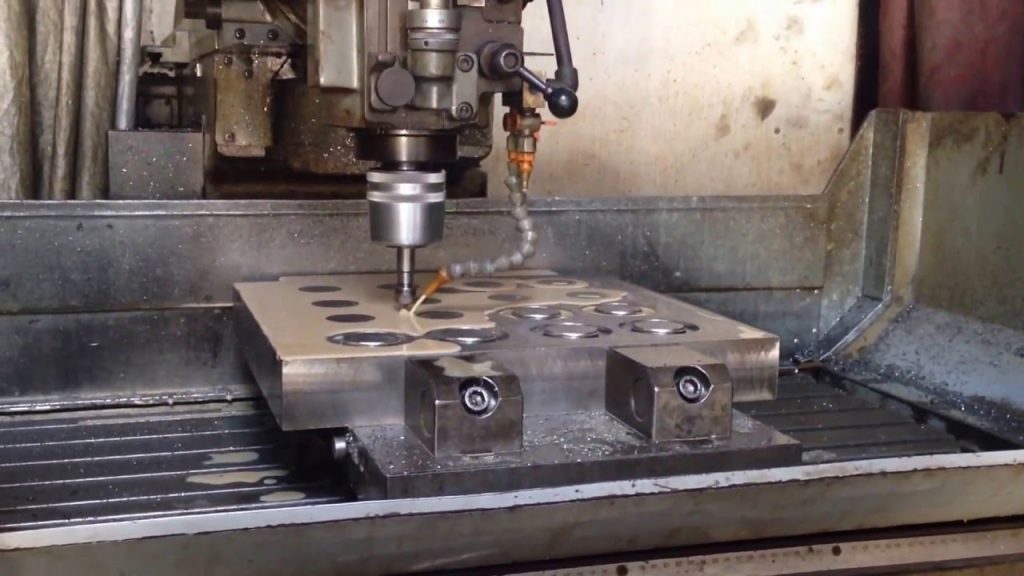
One common application involves robots picking up workpieces, loading materials into CNC turning or milling machines, and removing finished components. The system can work with fixtures, sensors, and controllers to perform repetitive cycles according to predefined programs.
This solution is particularly useful for high-volume production orders, where businesses need to maintain consistent machining cycle times. However, implementation requires consideration of machine compatibility, cycle times, safety systems, and initial investment costs.
Robots for Welding, Cutting, and Surface Finishing
In structural steel fabrication and sheet metal processing, welding robots can maintain consistent programmed movement paths, helping produce uniform welds when materials and welding conditions are properly controlled. Robots can also be used for certain grinding, polishing, and surface-finishing operations to reduce repetitive manual tasks.
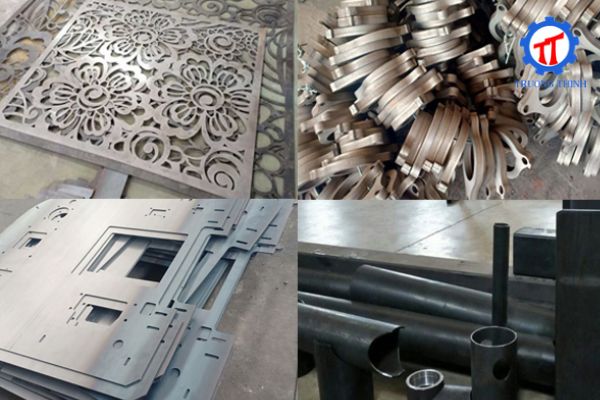
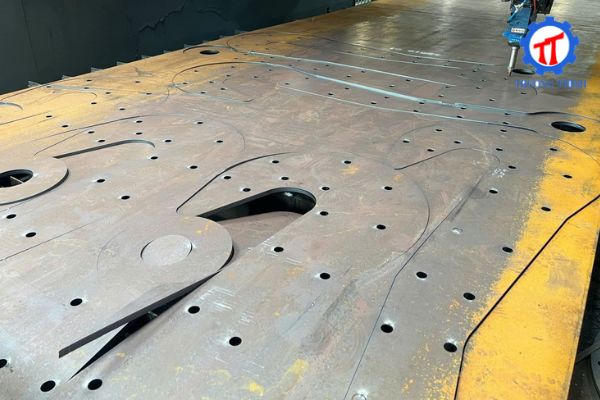
In laser cutting, automation systems help coordinate material loading, remove finished products from the cutting area, and sort components. Nevertheless, final quality still depends on process settings, equipment condition, incoming materials, and post-machining inspection procedures.
Quality Inspection Using Sensors and Machine Vision
Industrial cameras and sensors can help detect surface defects, identify component positions, and recognize certain deviations during production. When measurement data is combined with technical inspection procedures, businesses gain additional tools for monitoring quality and tracing the causes of defects.
However, machine vision does not completely replace specialized measuring equipment when tight tolerances are required. Critical dimensions must still be inspected using methods appropriate to the engineering drawings and acceptance standards for each product.
Truong Thinh Mechanical Engineering – Embracing Technology and Improving Machining Capabilities

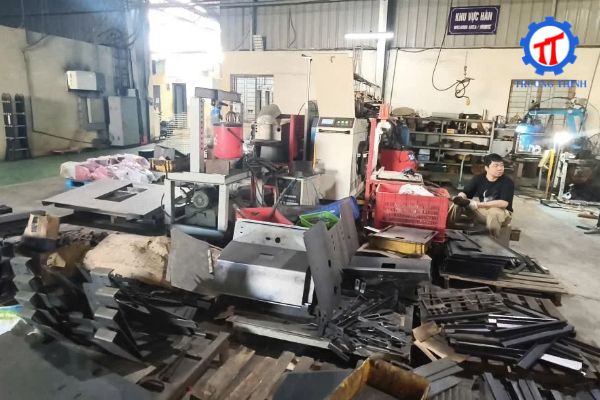
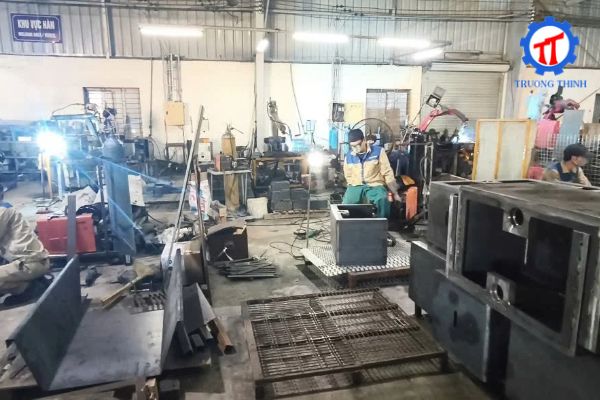
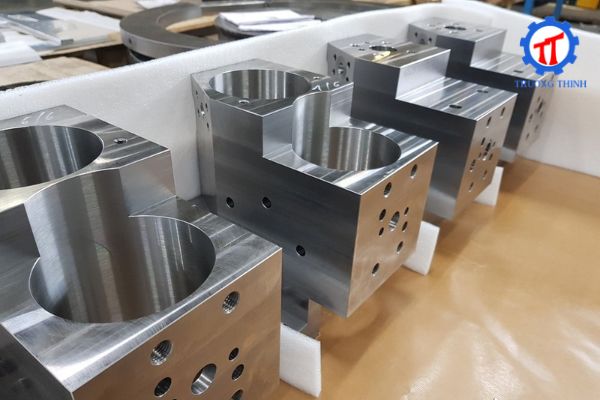
As automation continues to develop, businesses need to select manufacturing partners whose machining capabilities match their technical requirements, materials, and actual production volumes. Truong Thinh Mechanical Engineering provides machining services for manufacturing businesses and supporting industries in Hai Phong.
Truong Thinh Mechanical Engineering aims to meet custom machining requirements based on technical drawings, with a focus on receiving technical specifications and inspecting products before delivery. Customers can explore the company's official website to find solutions suitable for their manufacturing needs.
-> Explore Truong Thinh Mechanical Engineering's Machining Services.
Conclusion
Mechanical engineering news in 2026 shows that robotics, AI, and automation are creating new opportunities to improve productivity, quality, and competitiveness. Businesses should evaluate their actual needs before investing in new technologies while choosing machining partners with strong technical capabilities and clear quality control procedures to support sustainable growth.
Truong Thinh Mechanical Engineering Contact Information
-
Hotline: Mr. Hung: 0936.988.978 – Mrs. Tam: 0904.488.455 – 0225.627.79.97
-
Workshop Address: Area C, No. 57 Km5, Lam San, So Dau Ward, Hong Bang District, Hai Phong, Vietnam
-
Website: Truong Thinh Mechanical Engineering