Turning Method - Some Benefits
The turning method not only helps create products with uniform shapes but also optimizes the production process with high efficiency. This technique is crucial in mechanical processing, widely used in manufacturing to produce metal parts with precise cylindrical shapes. This article provides a detailed overview of the turning method.
.jpg)
Concept of Turning Method
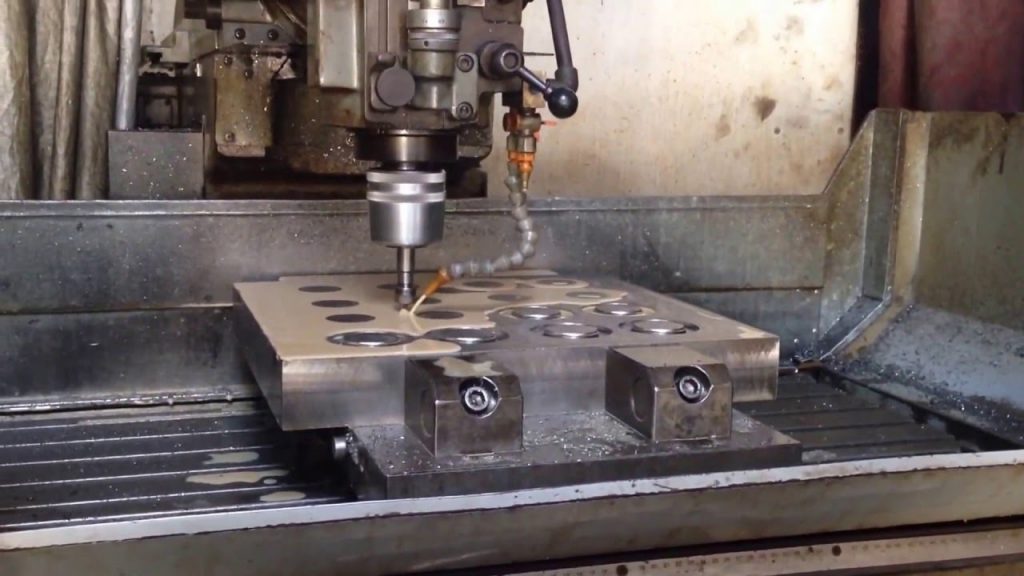
Turning is a mechanical processing technique where the metal workpiece is securely mounted on a lathe and rotated at high speeds while the cutting tool moves along the axis to remove excess material. This process creates round, uniform surfaces and allows for size adjustments as required. Turning can be performed on traditional lathes or modern CNC lathes, depending on the specific requirements of the product.
Advantages of the Turning Method
.jpg)
-
High Precision: Turning allows for the production of metal parts with high precision, especially when using CNC lathes. This technique ensures that products have consistent dimensions and meet stringent technical specifications.
-
Flexible Shaping Capability: Various shapes and sizes can be produced, from simple components to complex products. This flexibility makes it a popular choice in numerous industrial applications.
-
Time and Cost Efficiency: CNC lathes automate the machining process, reducing production time and labor costs. Additionally, the ability to machine multiple parts simultaneously saves material and increases production efficiency.
Common Turning Methods
-
Precision Turning: Used to create surfaces with high accuracy. This process typically requires CNC lathes and high-quality cutting tools to ensure precise results.
-
Rough Turning: Employed to process rough metal parts before finishing operations. Rough turning quickly removes excess material to prepare the workpiece for subsequent precision work.
-
Taper Turning: A specialized technique where the metal workpiece is machined to have a conical shape, often used in applications requiring specific geometric features.
Applications of the Turning Method
.jpg)
-
Automotive Industry: In the automotive sector, turning is used to machine components such as camshafts, crankshafts, and gears. These parts require high precision to ensure engine performance and durability.
-
Aerospace Industry: Turning is crucial in producing aerospace components, including engine parts and aircraft frames. The precision and strength of these parts are vital for aircraft safety and performance.
-
Electronics Industry: Small metal components such as electronic device bases and machine housings are machined using turning methods. High precision in machining ensures the proper fit and functionality of electronic devices.
Conclusion
The turning method plays a significant role in mechanical processing due to its ability to produce precise and efficient metal parts. We hope this article has provided you with a clearer understanding of the turning method and its applications across various industries.
Contact Information for Cơ Khí Trường Thịnh:
-
Hotline: Mr. Hưng: 0936.988.978 - Mrs. Tâm: 0904488455 - 0225.627.79.97
-
Production Facility: Zone C, No. 57 km5, Lâm Sản, P. Sở Dầu Q. Hồng Bàng
-
Website: http://cokhiphutrotruongthinh.com