Precision Mold Machining – A Trusted and Highly Rated Service in 2026
Precision mold machining is a crucial stage in the mechanical manufacturing industry, directly determining the quality of mass-produced products. By applying modern CNC technologies, this process creates molds with high accuracy, smooth surfaces, and consistent quality in industrial production.
.jpg)
What Is Precision Mold Machining?
Precision mold machining is the process of manufacturing and finishing molds using modern mechanical machining methods to achieve extremely high accuracy in dimensions, shapes, and surface quality. Common types of molds include plastic injection molds, metal stamping molds, die-casting molds, and rubber molds.
In industrial production, molds play a decisive role in determining the shape and quality of the final product. Therefore, mold accuracy must be controlled at a very small tolerance level, often only a few micrometers.
Today, mechanical manufacturers commonly use technologies such as CNC machining, EDM, or wire cutting to ensure high precision and stable machining processes. These technologies make it possible to produce complex mold components, small grooves, and surfaces that require high levels of precision.
What Types of Molds Are Produced Through Precision Mold Machining?
.jpg)
Precision mold machining is applied to manufacture various types of molds used in different industries. Some common mold types include:
Plastic Injection Molds
Plastic injection molds are used to produce plastic products such as electronic components, household appliances, medical equipment, and automotive parts. These molds require extremely high precision to ensure consistent product quality.
Metal Stamping Molds
Stamping molds are used in the mechanical industry to produce metal components. The stamping process forms metal sheets into specific shapes quickly and efficiently, making it suitable for mass production.
Die-Casting Molds
Die-casting molds are commonly used to produce aluminum, zinc, or magnesium alloy components. These parts are widely used in the automotive industry, electronics manufacturing, and industrial equipment.
Rubber Molds
Rubber molds are used to produce products such as seals, gaskets, and vibration-resistant components in machinery.
Mold Machining Technologies
Precision mold machining today mainly relies on advanced machining technologies to ensure both dimensional accuracy and high surface quality.
CNC Machining
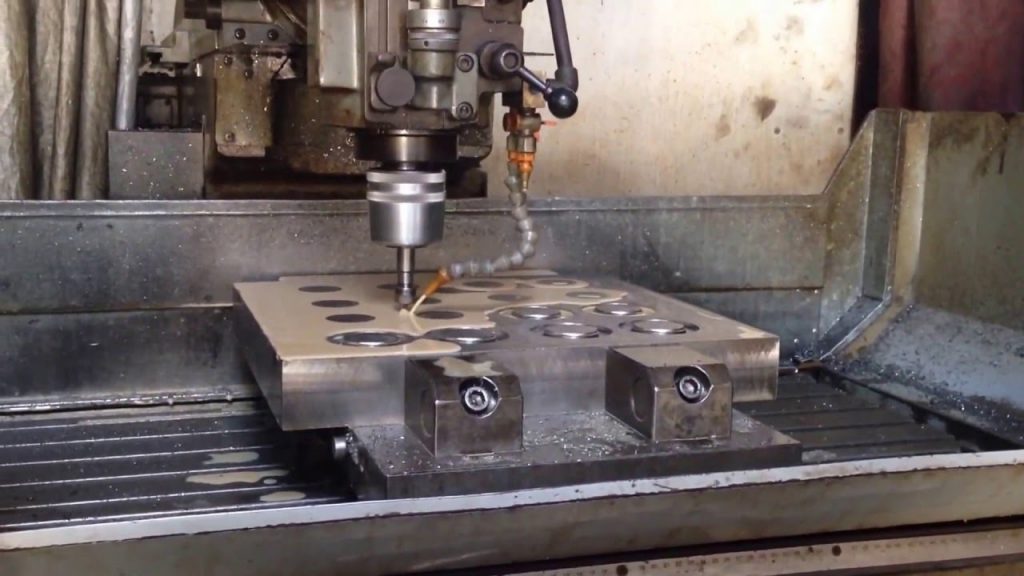
CNC machines are computer-controlled machining tools capable of cutting metal with extremely high precision. This technology allows manufacturers to produce complex mold components while maintaining very small tolerances.
Wire EDM Machining
Wire EDM uses electrical discharge sparks to cut metal materials. This precision mold machining method is particularly effective for machining hard materials or complex shapes.
EDM Sink Machining
EDM sink machining is used to create deep mold cavities, small grooves, or intricate features that are difficult to achieve with conventional cutting methods.
Precision Grinding
Precision grinding is applied to finish mold surfaces, ensuring flatness, smoothness, and exact dimensions according to technical requirements.
See more:
https://cokhiphutrotruongthinh.com/gia-cong-co-khi-chinh-xac-tai-hai-phong-o-dau-bv.html
Benefits of Precision Mold Machining in Manufacturing
.jpg)
Precision mold machining provides many important benefits for manufacturing businesses.
Improved Product Quality
High-precision molds ensure that the final products have consistent dimensions, smooth surfaces, and fewer production defects.
Increased Production Efficiency
When molds are precisely machined, mass production processes become faster and require fewer machine adjustments.
Long-Term Cost Savings
High-quality molds have longer lifespans, reducing maintenance, repair, and replacement costs during production.
Ability to Produce Complex Components
Modern machining technologies make it possible to manufacture complex mold shapes that traditional methods cannot easily achieve.
Detailed Mold Machining Process
Precision mold machining is usually carried out through a strict technical process to ensure product quality.
Mold design:
Engineers use CAD/CAM software to design mold components and simulate the manufacturing process.
Rough machining:
Mold materials are cut and shaped to create the basic structure of the component.
Finishing machining:
Technologies such as CNC, EDM, or precision grinding are applied to achieve the required dimensions and surface quality.
Quality inspection:
After completion, molds are measured and inspected using precision measuring equipment to ensure they meet technical standards.
Truong Thinh Mechanical – A Trusted Precision Mold Machining Provider
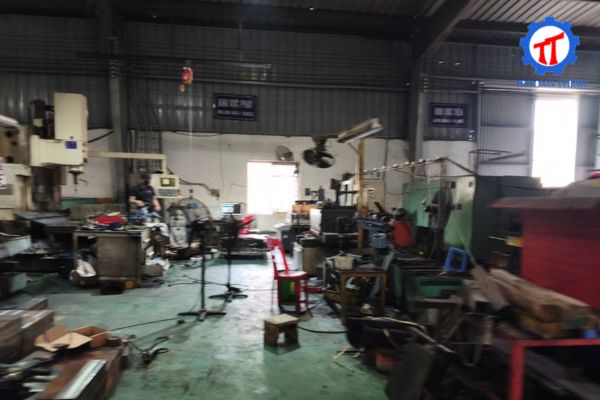
Precision mold machining at Truong Thinh Mechanical is carried out using modern machinery and a highly experienced technical team. The company specializes in providing mold machining services for industries such as mechanical engineering, electronics, plastics, and supporting industries.
With a professional manufacturing process, Truong Thinh always focuses on machining accuracy, surface quality, and mold durability. The molds produced meet strict technical standards and are suitable for mass production.
In addition, the company provides design consultation, mold structure optimization, and ensures on-time production schedules for customers. This helps businesses shorten production time and improve operational efficiency.
Conclusion
Precision mold machining plays an essential role in the mechanical and industrial manufacturing sectors. With the support of technologies such as CNC machining, EDM, and precision grinding, businesses can produce high-quality molds that ensure consistent products and improve long-term production efficiency.
Truong Thinh Mechanical Information:
Hotline: Mr. Hung: 0936.988.978 – Mrs. Tam: 0904.488.455 – 0225.627.79.97
Factory address: Zone C, No. 57 Km5, Lam San, So Dau Ward, Hong Bang District, Hai Phong, Vietnam
Website: http://cokhiphutrotruongthinh.com