Mechanical Processing Tax Rate – Detailed Guide
Mechanical processing tax rate is a common question for many businesses, workshops, and individual operators in the mechanical industry. Understanding the correct tax rates not only ensures compliance with legal regulations but also helps optimize costs and reduce tax risks.
.jpg)
What is mechanical processing according to regulations?
Before determining the mechanical processing tax rate, it is important to clearly understand the concept from both legal and practical perspectives.
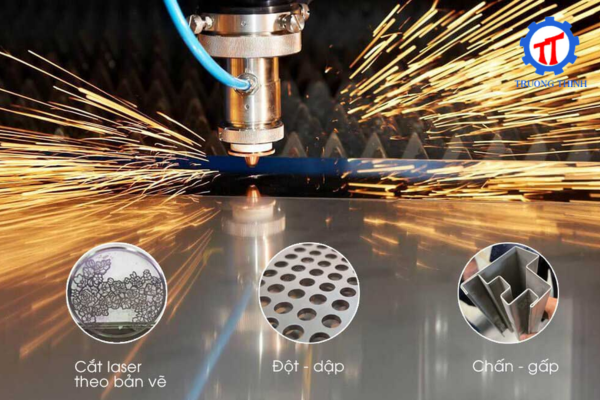
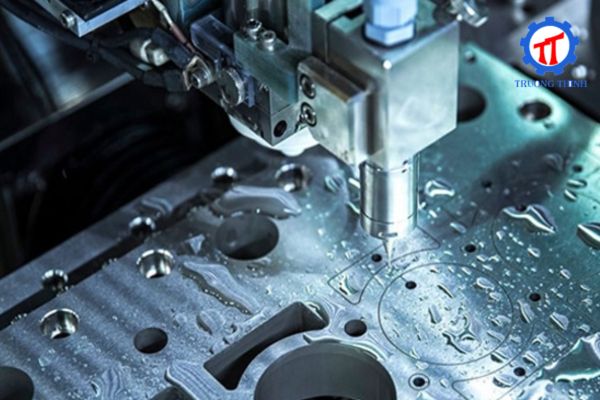
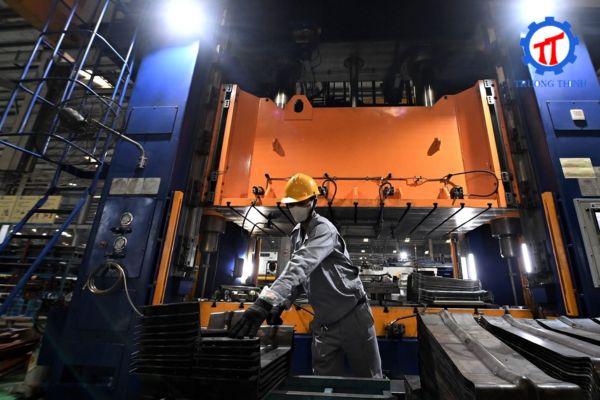
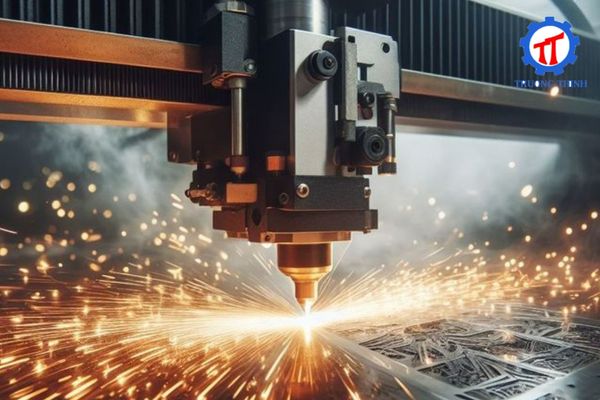
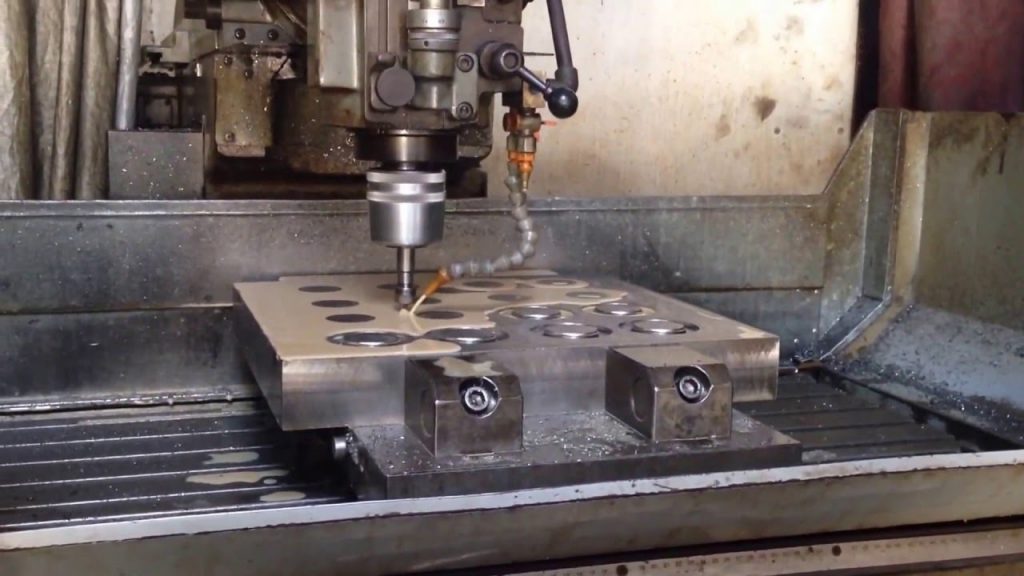
Mechanical processing refers to the use of machinery and equipment to manufacture, cut, shape, or finish metal products based on customer requirements. This includes turning, milling, planing, welding, laser cutting, CNC machining, and more.
Characteristics of mechanical processing
-
Production based on orders
-
Often does not own raw materials (in outsourcing cases)
-
Can be classified as a service or manufacturing depending on the business model
Identifying the correct nature of the activity directly affects the applicable tax rates.
What taxes apply to mechanical processing?
.jpg)
Các loại thuế gia công cơ khí
To determine how much tax applies to mechanical processing, businesses need to consider the relevant types of taxes.
Typically, mechanical businesses are subject to the following main taxes:
Value-added tax (VAT)
VAT is the most common tax applied to mechanical processing services.
Corporate income tax (CIT)
This tax is applied to profits after deducting reasonable expenses.
Personal income tax (PIT)
Applicable if the business operates as an individual or household business.
Other taxes (if applicable)
-
Import-export tax (if engaging in international trade)
-
Business license tax
Mechanical processing tax rate according to current regulations
This is the most important section. Tax rates vary depending on the type of tax.
VAT for mechanical processing
In most cases, mechanical processing services are subject to:
-
10% VAT: The standard rate applied to domestic services
However, there are special cases:
-
0% VAT: Applied when processing for foreign entities and meeting export conditions
-
8% VAT: May apply during government tax reduction support periods
Corporate income tax (CIT)
-
Standard rate: 20% on taxable income
Some businesses may receive tax incentives if they:
-
Operate in industrial zones
-
Invest in high-tech sectors
-
Are located in preferential investment areas
Tax for household businesses
If operating as a household business, taxes are typically calculated as a percentage of revenue:
-
VAT: about 3%
-
PIT: about 1.5%
(Rates may vary depending on current regulations)
How to calculate taxes in mechanical processing
.jpg)
After understanding the tax rates, businesses should also know how to calculate them properly.
VAT calculation
VAT payable = Output VAT – Input VAT
Where:
-
Output VAT = Service value × Tax rate (10%)
-
Input VAT = VAT from valid input expenses
CIT calculation
CIT = Taxable income × 20%
Taxable income = Revenue – Deductible expenses – Exemptions
See more
https://cokhiphutrotruongthinh.com/may-cat-cong-nghiep-la-gi-tim-hieu-dac-diem-tu-a---z-bv.html
Important notes on mechanical processing taxes
Incorrect tax application can lead to legal risks and tax penalties. Key considerations include:
Identifying the correct business model
Companies, enterprises, and household businesses have different tax calculation methods.
Distinguishing processing from manufacturing
Processing (service) and manufacturing (product sales) may be taxed differently in certain cases.
Maintaining proper invoices and documents
This is essential for tax deductions and proving valid expenses.
Updating tax policies
Tax regulations in Vietnam may change over time, especially with government support programs.
Tips to optimize taxes for mechanical businesses
Beyond understanding tax rates, businesses should focus on optimizing tax costs legally.
Take advantage of tax incentives
Explore incentives in industrial zones or high-tech sectors.
Manage expenses effectively
Accurate recording of valid expenses helps reduce taxable income.
Use professional accounting services
Experienced accountants can help minimize errors and optimize tax strategies.
Conclusion
Mechanical processing tax rates depend on the type of tax and business model. Generally, VAT is 10%, CIT is 20%, and household businesses have separate flat-rate taxes.
Understanding and applying tax regulations correctly helps businesses operate transparently and optimize costs. To ensure accuracy, businesses should regularly update regulations or consult tax experts.
Truong Thinh Mechanical Information
-
Hotline: Mr. Hung: 0936.988.978 – Mrs. Tam: 0904.488.455 – 0225.627.79.97
-
Factory Address: Area C, No. 57 Km5, Lam San, So Dau Ward, Hong Bang District, Hai Phong, Vietnam
-
Website: http://cokhiphutrotruongthinh.com