CNC Machining - Types of Machining
CNC machining is a technique that employs computer-controlled machines to perform high-precision mechanical tasks. The basic mechanism involves programming command codes to instruct the machine on how to execute cutting, drilling, and milling operations. Read our article to learn more about this technology.
.jpg)
What is CNC Machining?
CNC machining, or Computer Numerical Control machining, is a precise manufacturing method that uses computer-controlled machinery to perform machining operations like cutting, drilling, milling, and turning. This technology allows for high precision and speed in producing mechanical parts. CNC machining is often used as the final step in the production of metal parts, though it can also be the sole method used to create specific mechanical products. Since its inception, CNC technology has significantly impacted various manufacturing and production fields, continually evolving to meet global trends.
Types of CNC Machining
.jpg)
CNC Milling
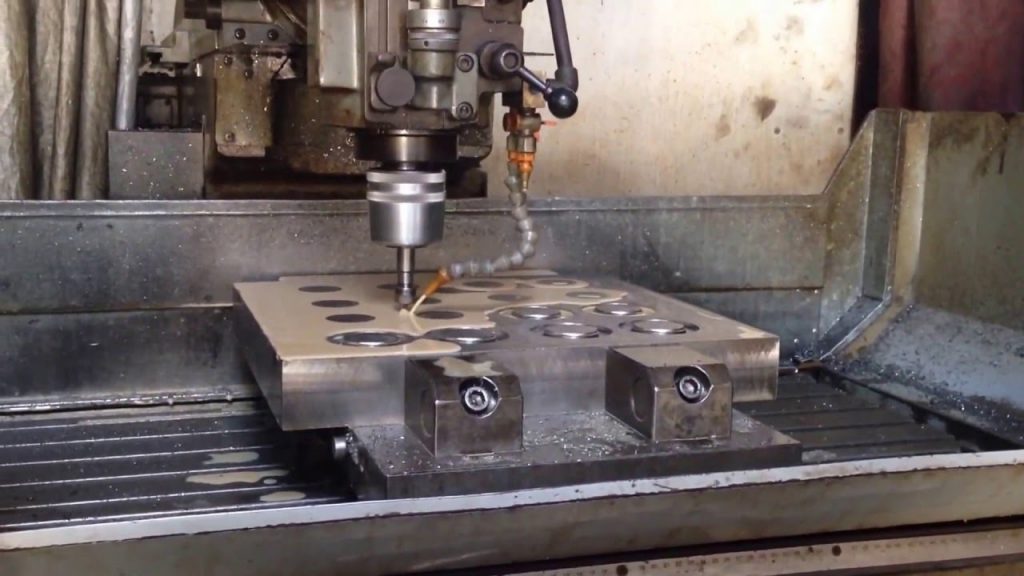
CNC milling involves using computer-controlled machines to cut material with rotating milling tools. The process begins with a CAD model, which is converted into CNC commands. The CNC milling machine mounts the workpiece on a table and uses rotating tools to make precise cuts, creating complex features such as slots, holes, and threads.
CNC Turning
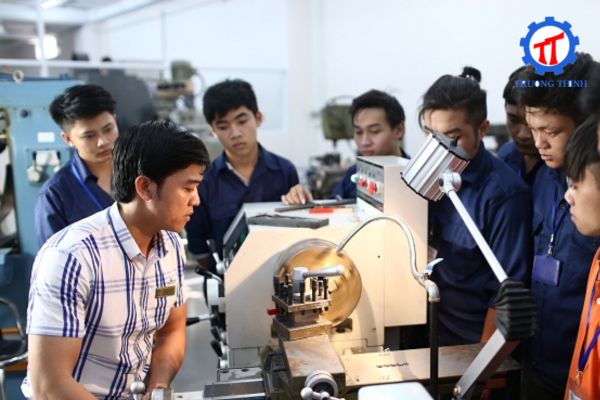
CNC turning uses a lathe to shape material into cylindrical parts. The workpiece is mounted on a rotating chuck, and fixed cutting tools remove material. Similar to milling, the turning process involves CAD design, CNC programming, machine setup, and machining. CNC turning is efficient for producing symmetrical parts and is often faster and more cost-effective than milling.
CNC Wire Cutting (EDM)
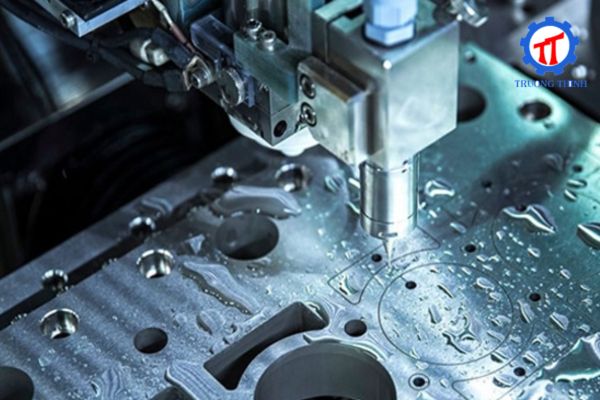
CNC wire cutting, or Electrical Discharge Machining (EDM), uses electrical discharges to erode material. The wire acts as an electrode, creating precise cuts in the material. This method is particularly useful for cutting thick or complex parts that other methods cannot handle.
CNC Drilling
CNC drilling creates precise holes in a workpiece using rotating drill bits. The CNC machine drills perpendicular to the surface of the material, producing accurate, straight holes according to the drill bit's diameter.
CNC Grinding
CNC grinding uses computer-controlled machines to smooth and polish surfaces. This method enhances product quality and reduces human error, offering high precision and consistency in finishing metal parts.
Read More: http://cokhiphutrotruongthinh.com/son-tinh-dien-va-son-thuong---so-sanh-su-khac-biet-bv.html
CNC Machining Process
.jpg)
CAD Modeling
The CNC machining process starts with creating a detailed design in CAD software, which can be 2D or 3D. This design can be produced in-house or by CAD/CAM service providers. Once the design is completed, it is exported to a CNC-compatible file format, such as STEP or IGES, for programming.
CNC Programming
The CAD file is converted into digital code using CAM software. This code, including G-code and M-code, instructs the CNC machine on how to perform various actions like turning on, off, moving, and cutting. CNC programming requires a deep understanding of coding and programming software like Mastercam, NX, or Catia.
Machine Setup
Machine setup involves mounting the workpiece on the machine, installing fixtures, and selecting appropriate cutting tools. The engineer must mount the tools on the spindle, set up drilling and milling tools, and check the machine to ensure all components function correctly. This setup must be performed carefully to avoid errors and optimize the machining process.
Machining Operation
Once the machine is set up, the machining process begins. The CNC machine executes pre-programmed commands to cut and shape the workpiece according to the design. Simple parts may only require a single machining operation, while more complex designs might need multiple setups to achieve the desired precision.
Conclusion
These are the fundamental aspects of CNC machining that you should understand when pursuing this field. If you need precision CNC machining services, feel free to contact us for consultation and support.
Contact Information for Cơ Khí Trường Thịnh:
Hotline: Mr. Hưng: 0936.988.978 - Mrs. Tâm: 0904488455 - 0225.627.79.97
Factory Address: Khu C, số 57 km5, Lâm Sản, P.Sở Dầu, Q. Hồng Bàng
Website: http://cokhiphutrotruongthinh.com